2013-2020
The craft years
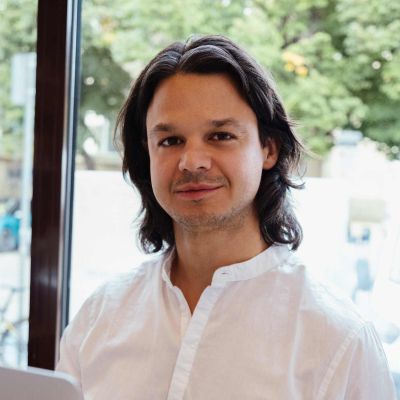
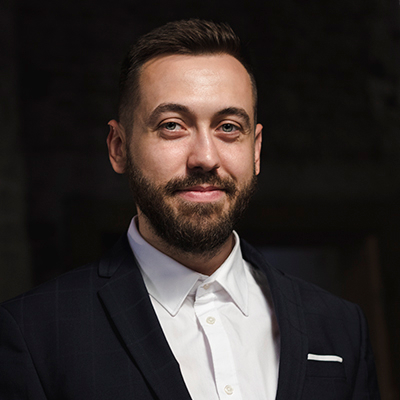
Two friends designing and building iOS products. Android followed, then backend, then cross-platform - and by 2017, design systems had become the studio's signature. We shipped for real users under real constraints, much of it behind agency partners on products for organisations including Pfizer, Vodafone, and Shedd.
2013
Two friends, one focus: iOS products designed and built with care.
2014
Android joins the stack; the studio incorporates.
2015
Full-stack. We stop needing anyone else to ship a complete product.
2016
Cross-platform development - one codebase, every screen.
2017
Design systems become our signature: coherent products at scale.
2020
We sunset standalone native development. The industry moved; so did we.
What it built: the design and engineering craft everything since stands on.
2021-2023
The product years
We stopped taking client work and built our own products instead. It's a different education: when you own every consequence of every decision, you stop confusing shipped with finished. There's no client to hand off to - if the product doesn't work, that's yours.
What it built: product judgment. Knowing what to build, not just how.
2024-now
The AI years
We didn't announce a pivot. We started working with coding agents daily, ran into their limits, and built our way out. Overmind, to give agents memory. Episto, to give teams a knowledge base with real permissions. Fine-tuned models, when frontier ones were the wrong tool. We became an AI studio by needing one - everything we sell today, we built for ourselves first, and still use daily.
2024
Coding agents enter our daily workflow - and their limits become our roadmap.
2025
Overmind and Episto go into production: knowledge systems for agents and teams.
2026
Specialised models: fine-tuned guards, rerankers, and classifiers doing frontier work at a fraction of the cost.
What it built: the working knowledge that separates "we read the papers" from "we run this in production."